POPIA Compliance Guide for Small Businesses
Learn how small businesses in South Africa can achieve POPIA compliance and protect customer data effectively.
2026-07-06
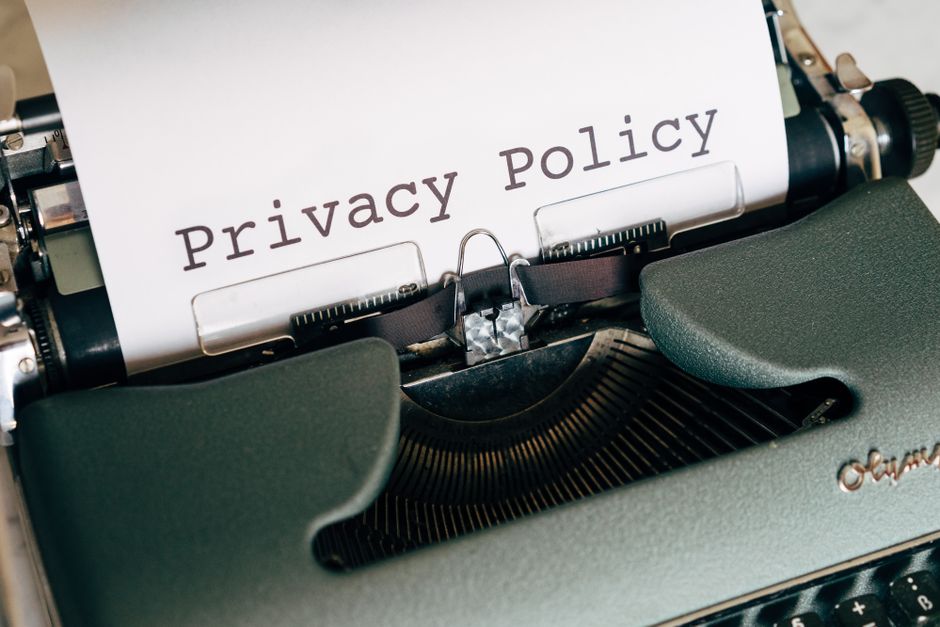
POPIA Compliance for Small Businesses in South Africa: A Practical Guide
The Protection of Personal Information Act (POPIA) is a crucial piece of legislation ensuring data protection in South Africa. For small businesses, understanding POPIA compliance is essential not only for avoiding hefty fines but also for building trust with clients. This guide breaks down what you need to know to align your business with POPIA requirements, fostering a privacy and security-centric approach.
Understanding POPIA and Its Importance
What is POPIA?
POPIA, or the Protection of Personal Information Act, provides a comprehensive framework for data protection in South Africa. It mandates that businesses collect, store, process, and manage personal information responsibly and transparently. This Act aims to prevent the misuse of personal data by ensuring that entities, regardless of their size, implement standardized measures to protect the privacy of individuals.
For example, a service provider that collects client details such as names, addresses, and identification numbers for service delivery is obligated under POPIA to keep this information confidential and to use it only for the purpose for which it was collected, unless further consent is obtained from the individual.
Why POPIA Compliance is Crucial for Small Businesses
Failure to comply with POPIA can result in fines of up to R10 million or even imprisonment. These penalties can be devastating, especially for small businesses with limited resources. Additionally, a data breach could result in loss of customer trust, which is often more damaging than the monetary penalties.
Compliance with POPIA not only helps avoid penalties but also enhances credibility. Clients increasingly prioritize their data privacy and security in their dealings with businesses. Thus, a small company known for its strong data protection practices may attract and retain more clients. Consider a small accounting firm that handles sensitive financial data; demonstrating POPIA compliance can differentiate it from competitors who are less committed to data protection.
Steps Towards POPIA Compliance
1. Conduct a Data Audit
Start by identifying what personal data you hold, where it is stored, and who has access to it. Conducting a data audit is foundational for understanding the flow of information within your business.
Actionable Steps:
- List all the data you collect and store: Begin by documenting every piece of personal data your business handles. This includes client records, employee information, and any additional data you may store or process.
- Classify this data based on sensitivity and necessity: Determine which data is most sensitive (financial details, identity numbers) and which is essential for business operations. For example, employee contact details might be necessary, while collecting details of their family members might not be unless specifically required for legal purposes.
- Identify any third-party access to this data: Examine all third-party services and partners that may have access to your data and ensure they are also compliant with POPIA. This step is critical when using cloud services or external service providers.
2. Develop a Privacy Policy
Your privacy policy should clearly outline how personal data is collected, used, and stored. This document is pivotal for transparency and must reflect your business practices accurately.
Key Components:
- Data Collection Methods: Clearly state how data is collected. For instance, if you're collecting email addresses through your website, explain that upfront on your page.
- Usage and Sharing: Discuss how the data will be used and under what conditions it will be shared with third parties. For example, if using customer data for marketing purposes, ensure this is stated and consensual.
- Security Measures: Describe the precautions taken to protect data, such as encrypting online transactions and regular security audits.
3. Implement Data Protection Measures
Robust security measures are key to protecting personal information against theft and misuse.
- Encryption: Use encryption to protect sensitive customer data. For instance, encrypt email communications containing sensitive information and ensure website forms use SSL encryption.
- Access Control: Limit access to data to only those employees who need it to perform their job functions. Implement role-based access control systems to enforce this.
- Regular Updates: Keep all systems, software, and security measures updated to protect against vulnerabilities and breaches. Regularly patch software and update antivirus definitions.
4. Appoint an Information Officer
Every small business must appoint an Information Officer who takes responsibility for ensuring POPIA compliance within the organisation.
Responsibilities:
- Overseeing data protection policies: The Information Officer should develop and maintain policies that comply with POPIA.
- Facilitating employee training on POPIA: They should arrange for regular training to ensure all employees understand their data protection responsibilities.
- Liaising with the Information Regulator: Handling communications and reports, especially in the event of a data breach.
5. Employee Training and Awareness
Your team is integral in maintaining data protection standards. Regular training sessions should be conducted to instill a culture of data awareness and responsibility.
Training Focus Areas:
- Understanding POPIA requirements: Training sessions should cover the fundamentals of POPIA and the specific obligations it imposes on your business.
- Identifying data breaches: Teach staff how to recognize potential data breaches and the steps to take if a breach occurs.
- Handling customer data responsibly: Ensure that all employees know how to properly collect, store, process, and dispose of personal data.

Example Scenario: A Small Retail Business
Imagine you own a local clothing store. You collect customer data for loyalty programs, order delivery, and feedback. Under POPIA, you must ensure this data is securely stored.
- Encrypting customer information stored digitally: Use encrypted databases for storing information to prevent unauthorized access.
- Regularly updating your privacy policy to reflect any changes in your data management practices: Ensure your customers are aware of policy changes through email updates or notices on your website.
- Using firewalls and secure passwords to protect customer data from unauthorized access: Deploying advanced firewalls and using multi-factor authentication for systems storing sensitive data.
FAQ Section
What is considered personal information under POPIA?
Personal information refers to any data related to an identifiable natural person or existing juristic person, including names, contact details, and personal identification numbers.
How often should we review and update our privacy policy?
It's advisable to review your privacy policy annually or whenever there are significant changes in how you handle personal data.
Can customers request to see what data a business holds on them?
Yes, under POPIA, customers have the right to request access to their personal data and obtain a copy of this information.
What happens if there is a data breach?
In the event of a data breach, you must notify the affected parties and the Information Regulator without undue delay.
Are there tools to help with POPIA compliance?
Yes, numerous tools and software solutions can assist with data auditing, encryption, and overall data management to ensure compliance.
Conclusion and Call to Action
Achieving POPIA compliance may seem daunting for small businesses, but with the right processes and mindset, you can protect customer data effectively. Implement the steps outlined above to safeguard your business and customers' trust. For expert guidance, partner with Inka-Tech Solutions – the specialists in helping South African businesses navigate data protection challenges.
Don't just read about it
Need POPIA-safe systems for your business? We build it.
Websites, portals and databases built with data protection in mind — compliance without the headache.
from R950 · July special — ends 25 July (was R1,800)
Prefer email? nkanyiso@inkatech.co.za · patricia@inkatech.co.za
Keep reading
More guides for your business

How Much Does a Website Cost in South Africa in 2026?
Explore website costs in South Africa for 2026. Discover pricing, factors affecting cost, and how to get a professional website.
Read article →
Website vs Facebook Page: Why Your South African Business Needs Both
Explore why your South African business needs both a website and a Facebook page for optimal online presence.
Read article →